Wheel Bearings Before a Road Trip: What I-80 and I-25 Miles Do to Your Trailer
Long interstate miles, heat, and crosswinds are tough on trailer bearings. Know the warning signs and when to repack.
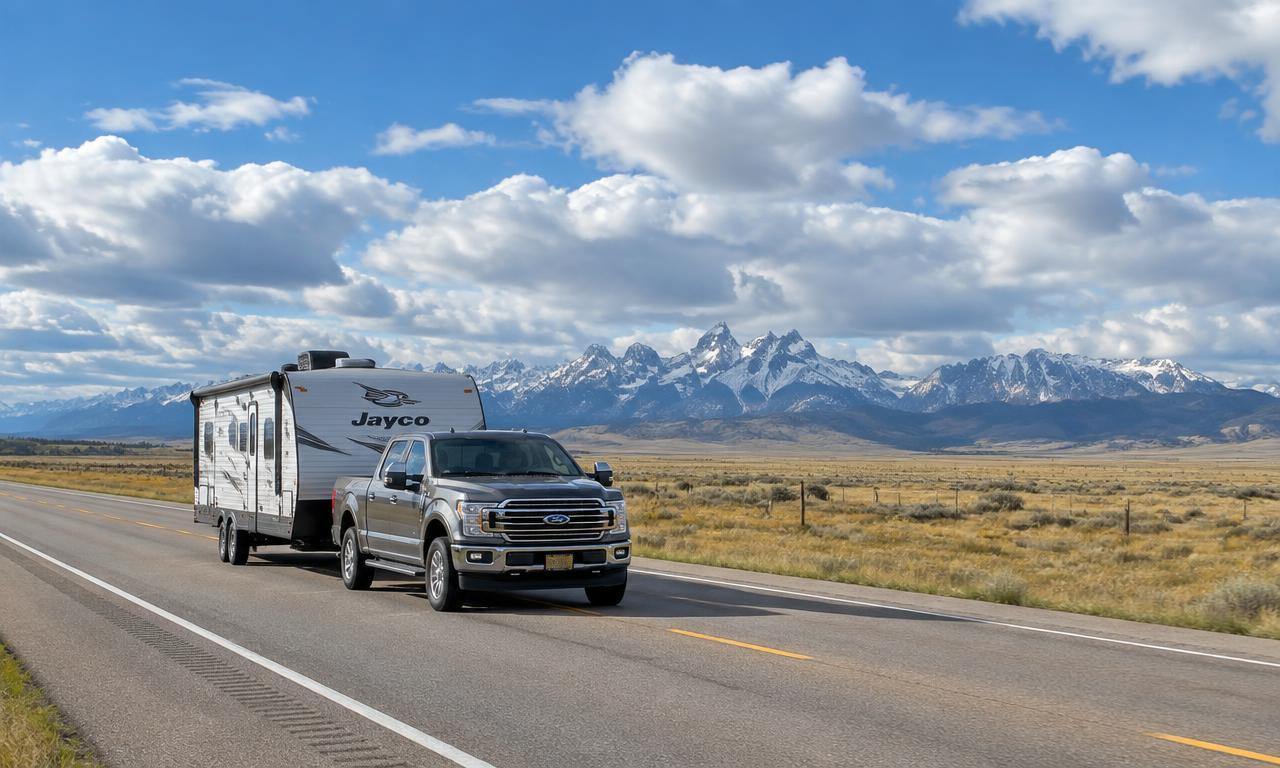
Towing across Wyoming means long, fast stretches of interstate. I-80 and I-25 can be windy, hot in summer, and lonely when something goes wrong. Wheel bearings are one of the most important parts of a trailer to keep up with, and one of the easiest to forget, because they're hidden behind a hub and dust cap.
What bearings do and how they fail
Wheel bearings let each wheel spin freely on the axle spindle. They're packed in grease and sealed to keep dirt and water out. Over time, grease breaks down from heat, seals wear, and moisture or contaminants get in. Without good lubrication, friction rises, the bearing heats up, and eventually it can fail. In the worst cases, a failed bearing can seize or let a wheel separate from the trailer.
Heat, grease, and seals
Highway speeds, heavy loads, and long climbs all generate heat in bearings. Brakes add more. Grease that gets too hot thins and can leak past the seals. Once a seal is leaking, grease gets out and dirt and water get in. Trailers that sit for long periods are also at risk, because moisture can settle in the hub and start corrosion.
Warning signs
- A hub that is noticeably hotter than the others after a drive
- Grinding, humming, or rumbling from one wheel
- Wobble or play when you rock a lifted tire top to bottom
- Grease streaks on the inside of the wheel or tire
- Uneven or unusual tire wear
What you can check yourself
At every fuel stop on a long trip, carefully place the back of your hand near each hub, without touching hot metal directly, and compare. One hub running much hotter than the rest is a warning sign. Also look at the inside of each wheel for grease streaks, and listen for new noises when you pull out.
If you have the tools and a safe way to lift the trailer, you can check for play by grabbing the tire at the top and bottom and rocking it. There should be little or no movement.
How often to repack
Many trailer and axle manufacturers recommend inspecting and repacking bearings about once a year or every 12,000 miles, whichever comes first. Check your owner's manual or axle manufacturer's guidance for your specific setup. Some axles have grease fittings that allow adding grease without disassembly, but that doesn't replace a full inspection.
Axle and suspension checks
While the wheels are off, it's the right time to look at the axle itself and the suspension: spring hangers, shackles, equalizers, and bushings. Worn components can cause the trailer to track poorly, especially in the crosswinds common on Wyoming interstates. Uneven tire wear is often a clue that something in the axle or suspension needs attention.
Why it matters out here
Between towns on I-80, help can be a long way off. Strong crosswinds put extra side loads on wheels and bearings. A small issue that starts at Laramie can become a big one by Rawlins. Taking care of bearings before a trip is far easier than dealing with a failure on the shoulder.
Prepare before the first long pull
A useful pre-trip check starts before the trailer is loaded. Confirm tire pressure cold, look at tread and sidewalls, and inspect the back of each wheel for fresh grease. Make sure the lug nuts are tightened to the specification for your wheels and hubs. After loading, verify that the trailer sits level and that cargo is secure. An overloaded or poorly balanced trailer adds stress to tires, suspension, and bearings and can make crosswind handling worse.
On the road, stop early in the trip rather than waiting until the fuel tank is empty. Compare the hubs and tires, look for anything newly loose, and check that the trailer is tracking normally. Repeat after long grades or rough pavement. If one hub is much warmer, a tire is changing shape, or you smell hot grease or brakes, stop driving and investigate. Continuing can turn a serviceable hub into damaged parts or a roadside failure.
When to call a pro
If you notice any warning signs, can't remember when the bearings were last serviced, or are planning a long trip, schedule an inspection. Our wheel bearings and axle service starts at $200, with $150 each additional hour, and bearings, seals, and other parts are billed separately. It covers bearing inspection and repack labor, an axle alignment and condition check, and seal inspection, and we bring the jacks and tools to you.
Planning a road trip? Call (855) 681-0474 and we'll make sure your wheels are ready for the miles.
Need a hand with this?
We come to your rig anywhere within 50 miles of Cheyenne, and farther with a trip charge.